The Museum
Historical and Folklore Museum of Xanthi
The Historical and Folklore Museum of Xanthi tells the story of the city and its people in one of the most remarkable buildings of Northern Greece. It is run by the Progressive Union of Xanthi (FEX).
The building


Since 1975 the Museum has been housed in the Kougioumtzoglou Mansion, in the heart of the Old Town, a few steps below Mitropoleos Square. It was built in 1860 by the Kougioumtzoglou family and is a rare example of a twin residence: two symmetrical houses, each with its own entrance, two floors and a semi-basement. In the small rear courtyard there are two small traditional hammams with domed roofs.
The stone facade, with twenty six framed windows, arched doorways, brick pilasters and wrought iron balconies, reflects the European influences of its design. Inside, wall paintings, painted ceilings and carved wooden ceilings make it the most richly decorated fully restored building in Northern Greece.
The Museum
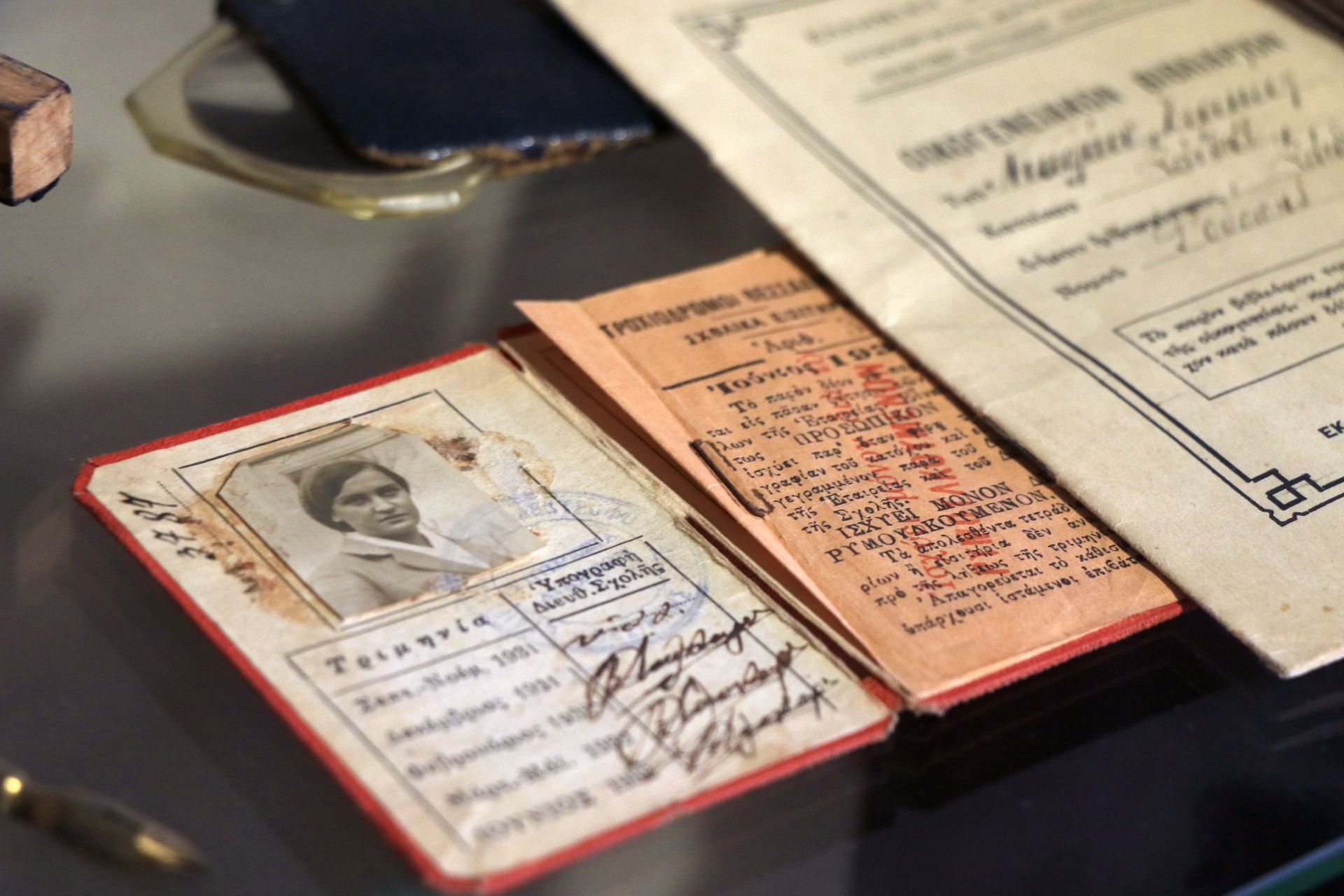
The Museum grew out of the Folklore Section that FEX set up in 1955 to save the intangible heritage of the area. Residents responded generously, donating personal testimonies, documents, publications and objects, and in 1975 the Historical and Folklore Museum of Xanthi was founded. One of the two houses came to the Municipality of Xanthi in 1968 through the will of its owner, Evangelia Varda Anagnostopoulou, to be used as a museum, and in 1976 FEX bought the second house, keeping the building whole.
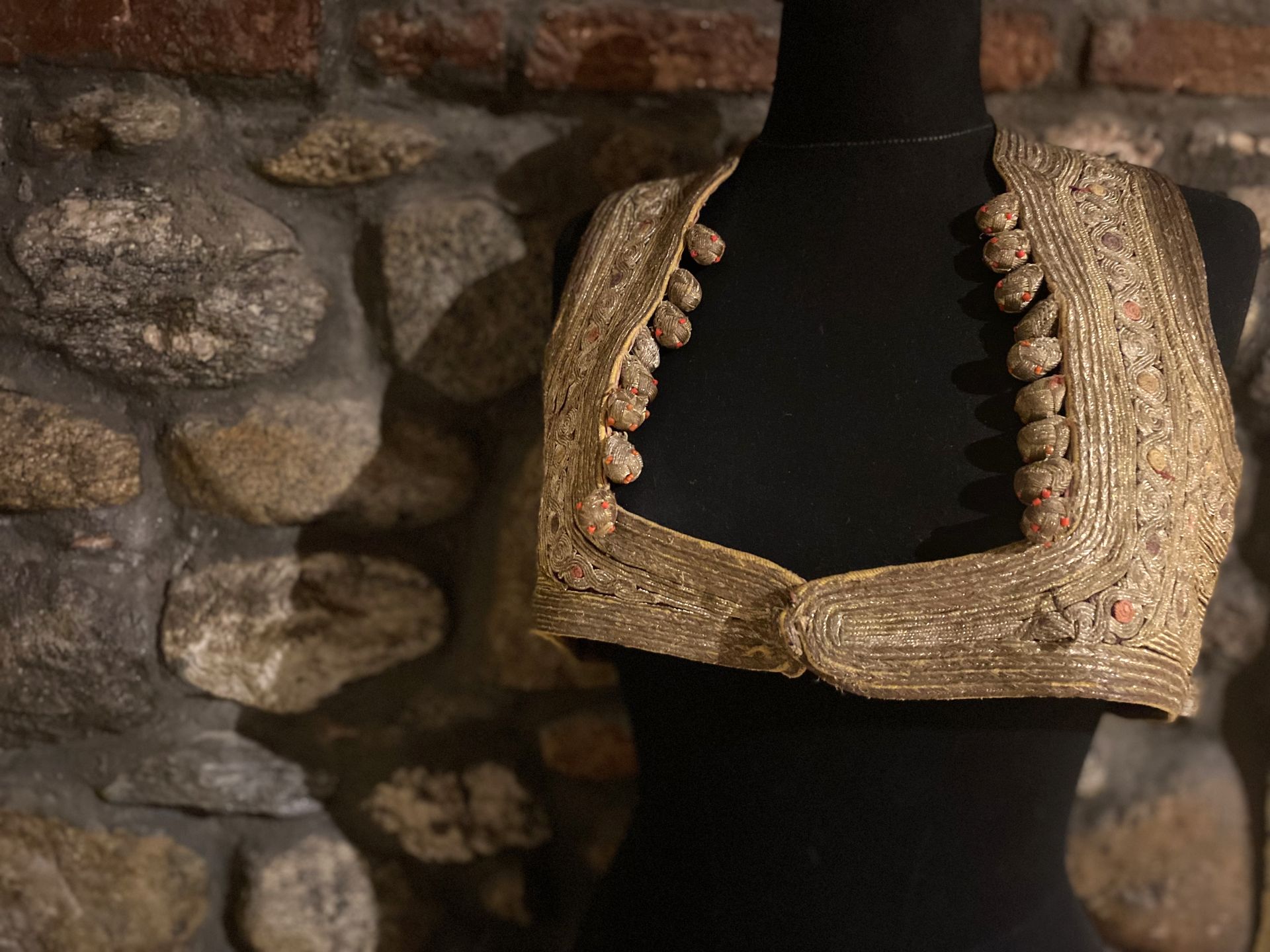
Today the Museum’s Research Centre holds more than 10,000 items: personal archives, letters, historical documents, everyday objects, costumes and embroidery.
Exhibitions


- Xanthi 1860 to 1940, a period of prosperity: the life of the city’s tobacco merchant class, covering most of the Museum
- Weekdays and holidays: rural and pastoral life in Thrace
- Business in Xanthi in the early 20th century: the trades and occupations of the working people of the city
The permanent collection also includes books and family papers, photographs and postcards, costumes, textiles and traditional dress, jewellery, and paintings and works of art donated by artists.
Plan your visit: opening hours and tickets
From the collections